
Your cart is currently empty!
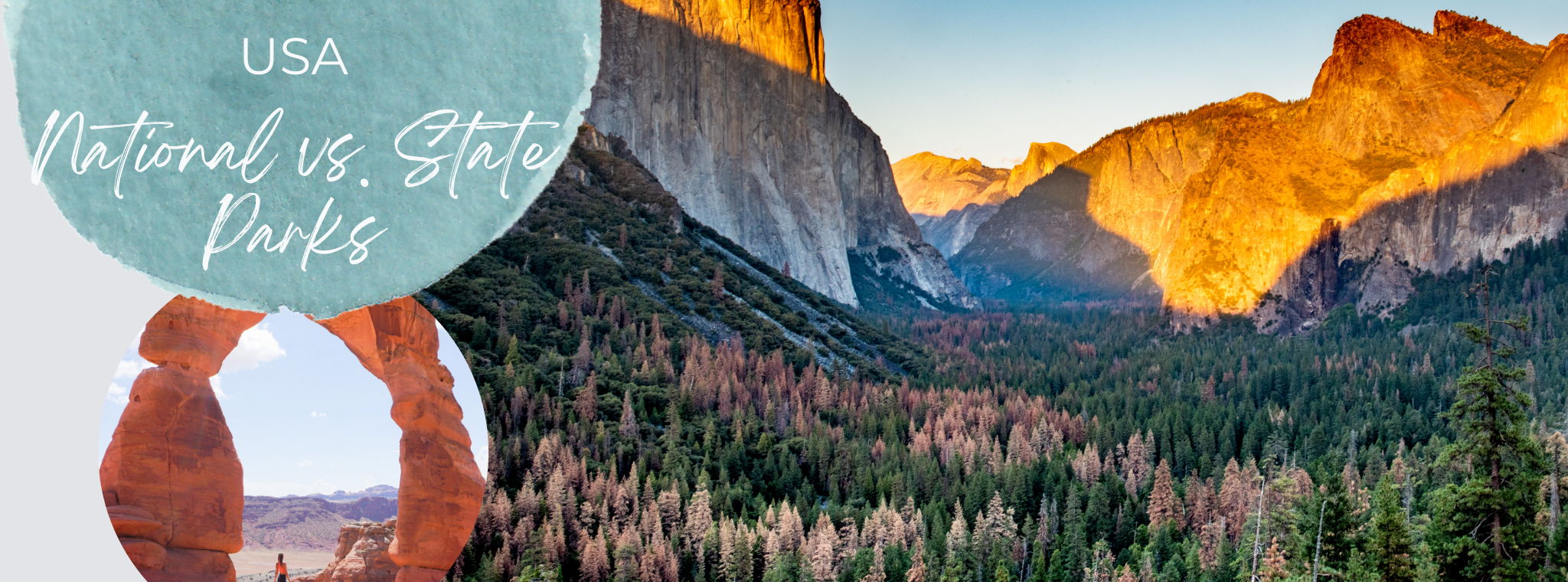
National Parks vs. State Parks in the USA
In the United States, there are two main types of protected areas: National Parks and State Parks. Both offer stunning natural beauty, but they differ in terms of management and focus. Here’s a closer look at each:
- Distinction between national parks and state parks
- How to Book Your Ticket?
- Annual Passes for National and State Parks
- How to Stay Informed about Park Details?
Distinction between national parks and state parks
National Parks:
- National Park Service (NPS): National Parks are managed by the National Park Service (NPS), a federal agency that operates under the U.S. Department of the Interior.
- Purpose: These parks are primarily established to protect natural wonders and historic sites of national significance. Typically larger, they offer extensive opportunities for research and conservation.
- Famous National Parks: Some of the world’s most iconic National Parks include Yellowstone, the Grand Canyon, Yosemite, and the Great Smoky Mountains.
- Access: Many National Parks require an entrance fee, but there are “Fee-Free Days” throughout the year, offering visitors a chance to explore at no cost.
State Parks:
- Management: State Parks are managed by individual states, meaning each state has its own unique park system. The governance and regulations can vary significantly depending on the state.
- Purpose: These parks also serve to protect natural resources, but they often focus more on recreation and local enjoyment. They tend to be smaller than National Parks.
- Famous State Parks: Some well-known State Parks include California’s Big Basin Redwoods State Park and Louisiana’s Lake Fausse Pointe State Park.
- Access: Entrance fees for State Parks vary by park and state. However, many State Parks are more affordable, with budget-friendly entry fees and camping options.
How to Book Your Ticket?
National Parks:
- Many National Parks offer tickets and entrance passes directly through the National Park Service website (www.nps.gov). It’s recommended to book in advance, especially for popular parks or if you plan to reserve a campsite. Some National Parks also require online reservations for special tours or activities.
State Parks:
- Tickets for State Parks can be purchased directly through the park systems’ websites or at park entrances. Many states also have apps or online platforms that allow for easy bookings. Again, it’s a good idea to book ahead for popular parks, especially during peak seasons or special events.
Annual Passes for National and State Parks
National Parks:
- The America the Beautiful – National Parks & Federal Recreational Lands Pass grants free entry to over 2,000 federally managed sites, including National Parks, National Monuments, National Recreation Areas, and other public lands. It is valid for one year and costs around $80. Discounted versions are available for seniors (ages 62 and older) and veterans.
- Some National Parks also offer individual annual passes, which cover entry to a specific park only. These are typically cheaper but do not provide the flexibility of visiting multiple parks.
State Parks:
- Many states offer an annual State Parks pass, which allows unlimited entry to all State Parks within that state for a full year. Prices and benefits vary by state. For example, California’s State Parks Annual Pass grants access to all state parks in California.
- Some states also offer annual passes for specific activities such as camping, boating, or fishing. These can usually be purchased through the official website of the respective State Park system.
How to Stay Informed about Park Details?
- Park Websites: The best source of information is the official websites of the parks, which provide up-to-date details on operating hours, entrance fees, events, and activities.
- National Parks: Detailed information on each park can be found on the National Park Service website (www.nps.gov), including hiking trails, points of interest, and available services.
- State Parks: Each state has its own dedicated website for State Parks. For example, California’s State Parks website is at www.parks.ca.gov.
- Park Apps: Many parks, both National and State, offer apps with interactive maps, trail details, and real-time updates.
- Brochures and Visitor Centers: Most parks provide printed brochures on-site, offering information about trails, key attractions, and safety tips. Be sure to visit the park’s Visitor Center for the latest updates and advice.
Conclusion: National Parks are often celebrated for their breathtaking landscapes and historical importance, while State Parks serve as hidden gems for local recreation. We hope you enjoy your visit to a National or State Park in the USA!