
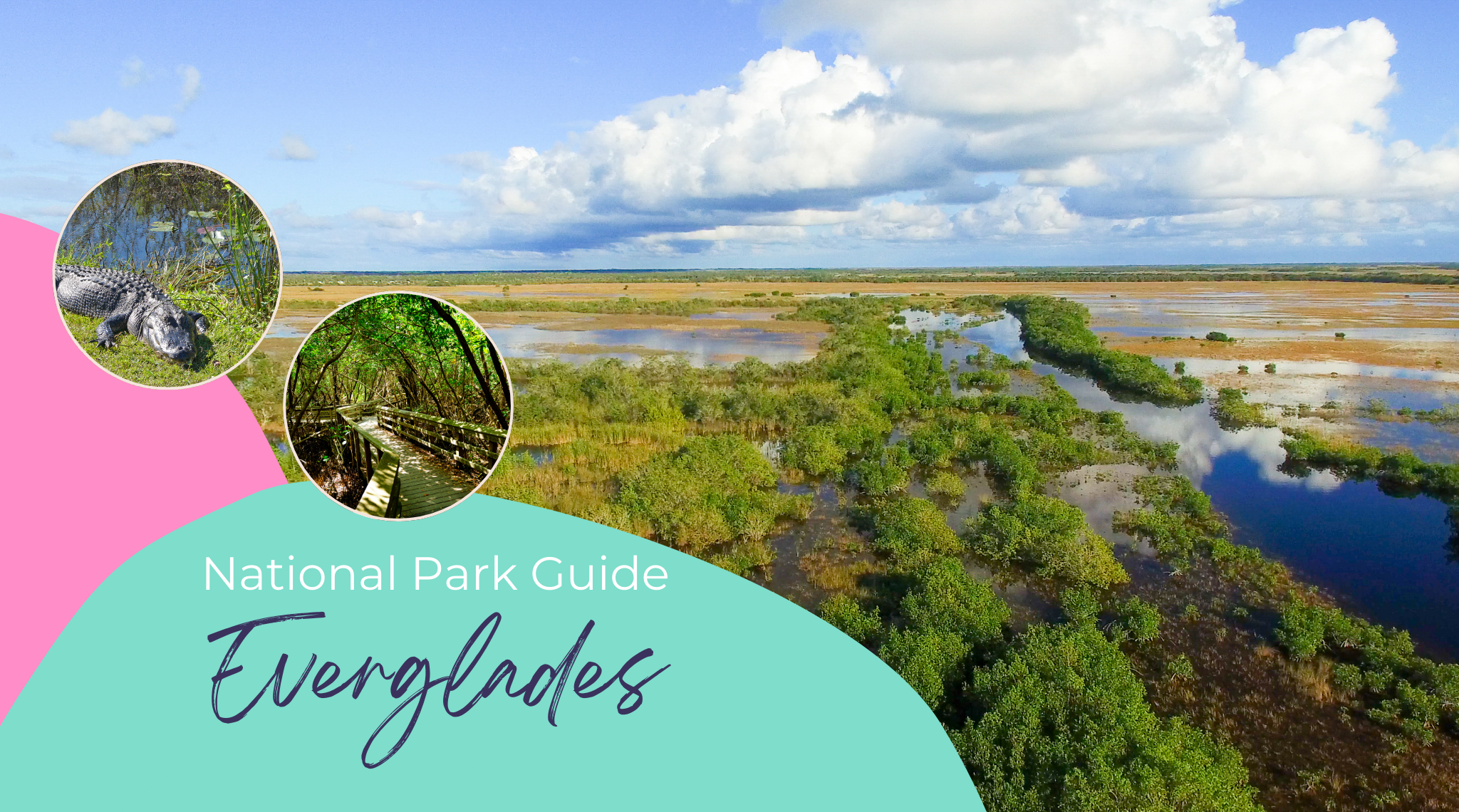
The Everglades National Park in Florida is one of the most fascinating natural reserves in the USA. Covering over 6,000 square kilometers, it is one of the largest subtropical wilderness areas in North America and has been designated a UNESCO World Heritage Site. This unique ecosystem consists of vast wetlands, mangrove forests, and grasslands, making it a paradise for nature lovers and adventurers. This guide will tell you everything you need to know for your visit to Everglades National Park.
Flora and Fauna: A Unique Ecosystem
The Everglades are known for their incredible biodiversity. Here, you’ll find some of North America’s rarest animals and an impressive variety of plant life.
Wildlife of the Everglades
- Alligators & Crocodiles: The Everglades is the only place in the world where American alligators and saltwater crocodiles coexist.
- Manatees: These gentle giants can often be spotted in the park’s warm waters.
- Florida Panthers: One of North America’s rarest predators – with some luck, you might find tracks.
- Birdlife: Over 360 bird species, including ibises, ospreys, and roseate spoonbills, make the park a birdwatcher’s paradise.
Plant Life of the Everglades
- Mangrove Forests: These unique trees protect the coastal ecosystem and provide a habitat for many animals.
- Cypress Swamps: Towering, gnarled trees that shape the landscape of the Everglades.
- Sawgrass Prairies: These vast grasslands are a defining feature of the region and home to many species.
Best Time to Visit & Climate
The Everglades have a tropical climate with two main seasons:
- Dry Season (November – April): Pleasant temperatures, fewer mosquitoes, and more visible wildlife – the best time to visit!
- Wet Season (May – October): High temperatures, high humidity, and frequent rainfall. Some trails may be flooded, and mosquitoes are highly active.
Activities & Experiences
The Everglades offer a wide range of activities to immerse yourself in nature. Here are some of the top experiences you shouldn’t miss:
Boat & Kayak Tours
Explore the park’s waterways on your own or with a guided kayak tour. The dense mangrove tunnels are particularly popular, offering a chance to see manatees and alligators in their natural habitat. View Kayak Tour
Airboat Rides
One of the most famous activities in the Everglades is an airboat ride – a thrilling experience as you glide across the water on a propeller-driven boat. These tours are exciting and provide a unique way to explore the landscape. View Airboat Tour
Hiking Trails & Scenic Viewpoints
For those who prefer to stay on solid ground, there are several fantastic hiking trails:
- Anhinga Trail: One of the best trails for spotting alligators and birds.
- Shark Valley Loop: A 24 km circular trail perfect for biking. The observation tower offers breathtaking views of the Everglades.
- Gumbo Limbo Trail: A short but impressive path through a tropical hardwood forest.
Wildlife Watching & Photography
Whether you’re looking to observe rare wildlife or capture stunning landscape shots, the Everglades provide perfect conditions for nature photographers and animal lovers.
Getting There & Park Entrances
Everglades National Park has several entrances that provide access to different parts of the park:
- Ernest F. Coe Visitor Center (Main Entrance): The most frequently used entrance, ideal for hiking and kayaking.
- Shark Valley: Known for its bike and walking trails with spectacular views.
- Gulf Coast Visitor Center: A great starting point for boat and kayak trips into the park’s remote areas.
The best way to reach the park is by car, as there are no public transportation options. From Miami, it’s about a one-hour drive to the main entrance.
Find out all the important details and information on the official National Park website
Essential Tips & Safety Guidelines
A visit to the Everglades is an unforgettable experience – but there are a few things to keep in mind:
- Mosquito Protection: Especially during the wet season, insect repellent and long clothing are essential.
- Sun Protection: The sun can be intense – sunscreen, a hat, and plenty of water are a must.
- Respect for Wildlife: Do not feed animals and maintain a safe distance from alligators and other creatures.
- Sustainability: Stick to marked trails and leave no trace behind.
Our Conclusion: Whether you want to glide through the mangroves on an airboat, observe exotic wildlife, or explore scenic hiking trails, the Everglades offer unforgettable experiences for every visitor.

Leave a Reply