
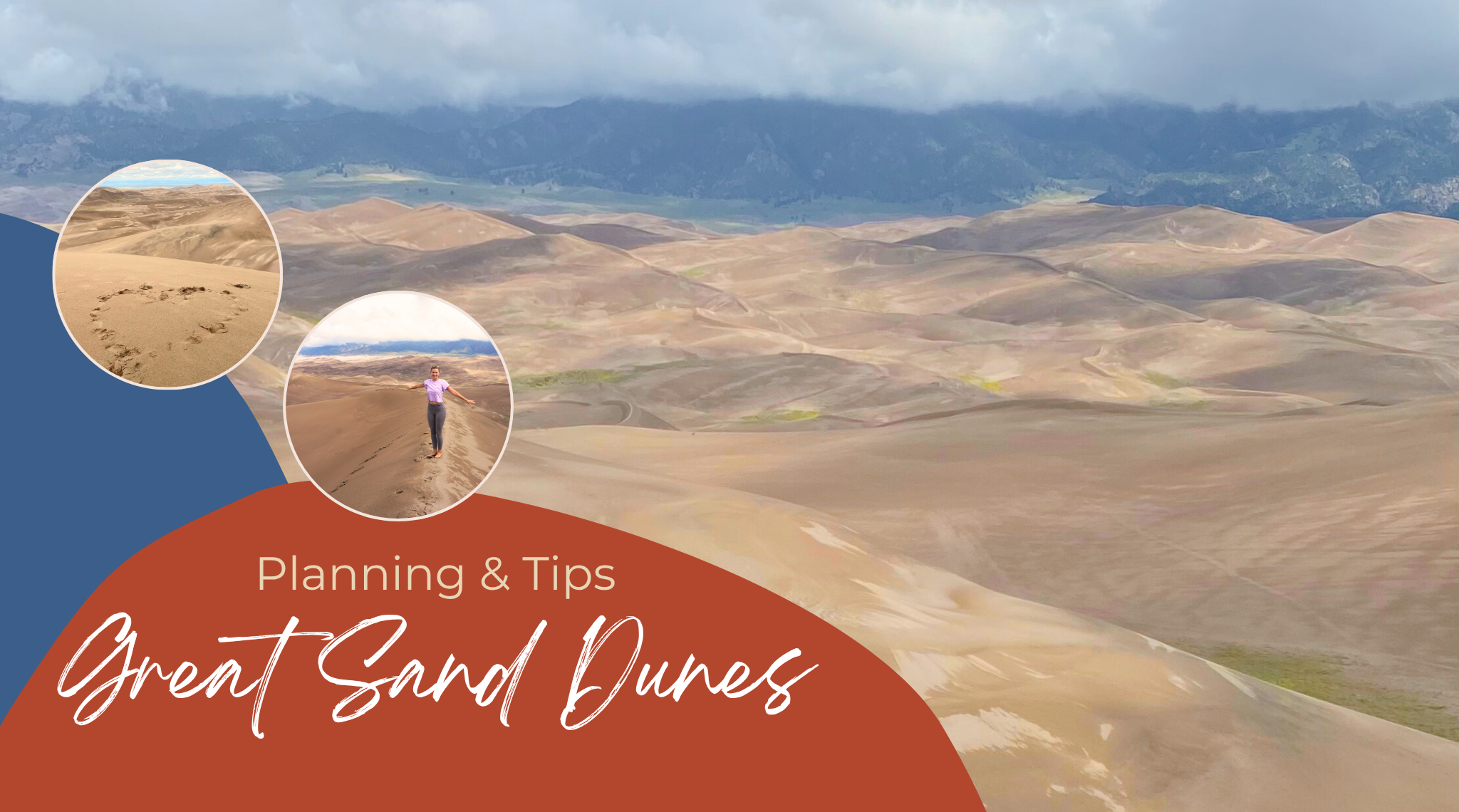
Nestled in the rugged beauty of southern Colorado, Great Sand Dunes National Park offers an extraordinary blend of towering sand dunes and snow-capped mountains – a striking landscape unlike any other in North America. With the tallest dunes on the continent rising against the backdrop of the Sangre de Cristo Mountains, this park is a haven for adventurers and nature lovers seeking pristine wilderness away from the crowds. Here’s your ultimate guide to making the most of your visit:
- 1. History & Background
- 2. Getting There & Entrance Fees
- 3. Wildlife & Safety Tips
- 4. Facilities, Hours & Accommodation
- 5. Final Tips Before You Go
1. History & Background
Established in 2004, Great Sand Dunes National Park preserves a unique natural phenomenon: massive sand dunes that soar up to 750 feet (230 meters) high, nestled between the Sangre de Cristo Mountains and the expansive San Luis Valley. These dunes are the result of thousands of years of wind and water sculpting the landscape, carrying sand from surrounding areas into this valley basin. Spanning roughly 340 square kilometers, the park offers an untouched natural playground for those looking to experience the raw beauty of the outdoors.
2. Getting There & Entrance Fees

The park is located about 30 miles (50 km) south of Alamosa, Colorado. Because the area is quite rural and public transportation options are limited, driving is by far the best way to get here.
Park Access
The main entrance lies along State Highway 150, leading directly to the dunes and the Visitor Center.
Nearby Airports
- Alamosa Regional Airport (ALS) – approximately a 15-minute drive, the closest airport to the park.
- Denver International Airport (DEN) – about 4.5 hours by car, a popular gateway for longer road trips.
Entrance Fees
The fee is currently $25 per vehicle, valid for seven days. The America the Beautiful Pass is also accepted here.
3. Wildlife & Safety Tips

Great Sand Dunes is home to diverse wildlife, including:
- Coyotes, foxes, and elk roaming the park’s varied habitats
- Raptors and owls soaring above
- Marsh turtles and reptiles inhabiting the wetlands
Safety Advice:
- The sand can become scorching hot – wear sunscreen and bring plenty of water.
- Always carry enough food and drinks, as services inside the park are limited.
- Respect wildlife: observe from a distance and never feed animals.
- Weather can change quickly in the mountains – be prepared with appropriate gear.
4. Facilities, Hours & Accommodation
Opening Hours
The park is open year-round. The Visitor Center operates daily from spring through fall, with reduced hours in winter.
Food & Supplies
There are no restaurants inside the park, so stock up in Alamosa before your visit. It’s essential to bring your own food and water.
Fuel
Gas stations are only available in Alamosa; make sure to fill up before heading into the park.
Where to Stay
Camping: Piñon Flats Campground lies at the dunes’ base. It’s mostly first-come, first-served and fills up fast during peak season.
Hotels and Lodges: Alamosa offers a range of accommodations to suit different budgets.
Backcountry camping within the park boundaries is prohibited.
5. Final Tips Before You Go

- Check the official park website and download the NPS app for the latest updates.
- Dress in layers – mountain weather can be unpredictable.
- Wear sturdy shoes; walking barefoot on hot sand is only comfortable early morning or late evening.
- Drones are strictly forbidden throughout the park.
- Always honor the fragile ecosystem and enjoy the peacefulness of this unique landscape.
Our conclusion: Great Sand Dunes National Park is a truly remarkable destination for anyone craving a distinctive nature experience far from the usual tourist trails. Its soaring dunes, tranquil atmosphere, and stunning mountain backdrop provide an unforgettable escape into Colorado’s wild heart. With thoughtful planning, the right gear, and a deep respect for nature, your adventure here will be nothing short of spectacular.
Is Great Sand Dunes National Park on your travel bucket list?
Share this guide with your favorite road trip buddies and leave us a comment below!
Discover Your Next Travel Destination:

The 6 Most Beautiful Coffeehouses in Vienna: Melange, Viennese Pastries & Coffeehouse Culture
Explore Vienna’s 6 most beautiful coffeehouses, from Café Demel and Café Landtmann to Café Sperl, with local coffee tips, classic pastries and essential etiquette.
Weiterlesen
48 Hours in Vienna: From Kaiserschmarrn to Culture & Hundertwasser
Discover the best of Vienna in 48 hours – explore imperial palaces, historic coffeehouses, Hundertwasser House, Schönbrunn Palace, and unforgettable cultural experiences.
Weiterlesen
Vienna in December: Christmas Markets, New Year’s Eve Trail & All the Highlights
Discover Vienna in December 2026: Visit the best Christmas markets, find the Red Heart and Giant Red Bow, and plan your New Year’s Eve itinerary with all the important dates.
WeiterlesenSomething went wrong. Please refresh the page and/or try again.

Leave a Reply